调研方式及范围Research methods and scope
调研对象:超市及自主农场的蔬菜、鸡蛋和大米的品类、价格、产地和销售策略等Scope: varieties, prices, origins and sales strategies for vegetables, eggs and rice at supermarkets and independent farms.
调研方式:Research methods
线上:山姆、盒马、分享收获农场Online: Sam’s Club, Hema, Shared Harvest Farm
线下:悦活里、CitySuperIn person: Yuehuoli, CitySuper
线上+线下:戴庄、秦邦Online and in person: Daizhuang and Qinbang
一、基本信息I. Basic information
蔬菜品类&价格 盒马品类最多,自主农场只做当季精品蔬菜Vegetable range and prices — Hema offers the most varieties. Independent farms focus on selected seasonal vegetables.
- 品类数量/ 种Number of varieties
- 价格中位数/ 250gMedian price per 250 g
图表数据Chart data
| 品类数量/ 种Number of varieties | 价格中位数/ 250gMedian price per 250 g | |
|---|---|---|
| 悦活里Yuehuoli | 100 | 3 |
| CitySuper | 80 | 9 |
| 山姆Sam’s Club | 85 | 5 |
| 盒马Hema | 165 | 4 |
悦活里Yuehuoli | CitySuper | 山姆Sam’s Club | 盒马Hema | |
|---|---|---|---|---|
品类数量/ 种Number of varieties | 100 | 80 | 85 | 165 |
价格中位数/ 250gMedian price per 250 g | 3 | 9 | 5 | 4 |
分享收获农场/ 戴庄/ 秦邦Shared Harvest Farm / Daizhuang / Qinbang
主要售卖蔬菜产品为当季精选蔬菜箱The main offer is a curated box of seasonal vegetables.
分享收获Shared Harvest
6斤蔬菜箱,7个以上品种,1383 kg vegetable box, seven or more varieties, 138
元RMB
戴庄Daizhuang
7斤蔬菜箱,约6个品种,84元3.5 kg vegetable box, around six varieties, RMB 84
单卖品类23种,8-15元/ 250g23 vegetables sold individually at RMB 8–15 per 250 g
秦邦Qinbang
5斤蔬菜箱,未明确品类数量,2.5 kg vegetable box, variety count unspecified,
200元RMB 200
蔬菜供货商&产地 超市自有品牌产地多元,第三方品牌和自主农场产地明确Vegetable suppliers and origins — supermarket own labels draw on multiple regions. Third-party brands and independent farms specify their origins.
超市Supermarket | 悦活里Yuehuoli | CitySuper | 山姆Sam’s Club | 盒马Hema |
|---|---|---|---|---|
自有品牌占比Own-label share | 10% | 45% | 10% | 75% |
第三方品牌名Third-party brand | 芸嶺鲜生Yunling Fresh | 自然之星Nature’s Star | 蔬氏Shushi | 百欧欢Biofarm | 沈佳农Shen Jianong |
|---|---|---|---|---|---|
产地Origin | 云南高原Yunnan Plateau | 山东/ 云南Shandong / Yunnan | 上海Shanghai | 上海Shanghai | 江苏连云港Lianyungang, Jiangsu |
分享收获农场/ 戴庄/ 秦邦Shared Harvest Farm / Daizhuang / Qinbang
大部分均为单一农场直供Most supply comes directly from a single farm.
分享收获:北京顺义Shared Harvest: Shunyi, Beijing
戴庄:江苏句容戴庄Daizhuang: Daizhuang, Jurong, Jiangsu
秦邦:江苏南京六合区Qinbang: Luhe District, Nanjing, Jiangsu
鸡蛋品类&价格&供货商 盒马细分品类最多元,秦邦价格最高Egg range, prices and suppliers — Hema has the widest range of subcategories, and Qinbang the highest price.
- 品类数量/ 种 (自有)Number of varieties (own label)
- 平均价格 元/ 枚Average price (RMB/egg)
图表数据Chart data
| 品类数量/ 种 (自有)Number of varieties (own label) | 平均价格 元/ 枚Average price (RMB/egg) | |
|---|---|---|
| 悦活里Yuehuoli | 3 | 0.7 |
| CitySuper | 2 | 2.7 |
| 山姆Sam’s Club | 3 | 1.1 |
| 盒马Hema | 13 | 1.6 |
| 分享收获Shared Harvest | 1 | 4 |
| 秦邦Qinbang | 2 | 5 |
| 戴庄Daizhuang | 0 | 0 |
悦活里Yuehuoli | CitySuper | 山姆Sam’s Club | 盒马Hema | 分享收获Shared Harvest | 秦邦Qinbang | 戴庄Daizhuang | |
|---|---|---|---|---|---|---|---|
品类数量/ 种 (自有)Number of varieties (own label) | 3 | 2 | 3 | 13 | 1 | 2 | / |
平均价格 元/ 枚Average price (RMB/egg) | 0.7 | 2.7 | 1.1 | 1.6 | 4 | 5 | / |
产地Origin | 湖北武汉Wuhan, Hubei | 江苏南通/ 四川广元Nantong, Jiangsu / Guangyuan, Sichuan | 全国Nationwide | 全国Nationwide | 北京顺义Shunyi, Beijing | 江苏南京Nanjing, Jiangsu | / |
超市在售主要第三方品牌产地&价格:Origins and prices of leading third-party egg brands in supermarkets
标注日本可生食技术的具有明显溢价能力Products labelled as using Japanese technology for raw consumption command a clear price premium.
- 价格 元/ 枚Price (RMB/egg)
图表数据Chart data
| 价格 元/ 枚Price (RMB/egg) | |
|---|---|
| 正大CP | 1.1 |
| 黄天鹅Yellow Swan | 2.7 |
| 蘭皇Lanhuang | 2.8 |
正大CP | 黄天鹅Yellow Swan | 蘭皇Lanhuang | |
|---|---|---|---|
产地Origin | 湖北黄冈Huanggang, Hubei | 多地Multiple locations | 上海Shanghai |
价格 元/ 枚Price (RMB/egg) | 1.1 | 2.7 | 2.8 |
大米产地&价格 中高端大米产地集中于东北地区Rice origins and prices — mid- and high-priced rice is sourced mainly from northeastern China.
- 平均价格 元/ kgAverage price (RMB/kg)
图表数据Chart data
| 平均价格 元/ kgAverage price (RMB/kg) | |
|---|---|
| 悦活里Yuehuoli | 11 |
| CitySuper | 26 |
| 山姆Sam’s Club | 16 |
| 盒马Hema | 14 |
| 分享收获Shared Harvest | 46 |
| 戴庄Daizhuang | 40 |
| 秦邦Qinbang | 51 |
悦活里Yuehuoli | CitySuper | 山姆Sam’s Club | 盒马Hema | 分享收获Shared Harvest | 戴庄Daizhuang | 秦邦Qinbang | |
|---|---|---|---|---|---|---|---|
平均价格 元/ kgAverage price (RMB/kg) | 11 | 26 | 16 | 14 | 46 | 40 | 51 |
主要产地Main origin | 黑龙江哈尔滨Harbin, Heilongjiang | 黑龙江哈尔滨五常市Wuchang, Harbin, Heilongjiang | 吉林Jilin | 黑龙江哈尔滨五常市Wuchang, Harbin, Heilongjiang | 黑龙江哈尔滨五常市Wuchang, Harbin, Heilongjiang | 句容戴庄Daizhuang, Jurong | 南京六合Luhe, Nanjing |
超市在售主要第三方品牌产地&价格:Origins and prices of leading third-party egg brands in supermarkets
日本技术/ 进口具有明显溢价能力Japanese technology and imported products command a clear premium.
- 平均价格 元/ kgAverage price (RMB/kg)
图表数据Chart data
| 平均价格 元/ kgAverage price (RMB/kg) | |
|---|---|
| 田作故事Tianzuo Gushi | 17 |
| 金龙鱼Arawana | 9 |
| 香纳兰Xiangnalan | 17 |
| 越前Echizen | 24 |
| 新泄 笠原农园Niigata / Kasahara Farm | 50 |
田作故事Tianzuo Gushi | 金龙鱼Arawana | 香纳兰Xiangnalan | 越前Echizen | 新泄 笠原农园Niigata / Kasahara Farm | |
|---|---|---|---|---|---|
平均价格 元/ kgAverage price (RMB/kg) | 17 | 9 | 17 | 24 | 50 |
产地Origin | 黑龙江哈尔滨五常市Wuchang, Harbin, Heilongjiang | 黑龙江哈尔滨五常市Wuchang, Harbin, Heilongjiang | 泰国Thailand | 辽宁(日本合作)Liaoning (Japanese collaboration) | 日本Japan |
二、基本信息小结II. Basic information: findings
1. 超市内部产品价格具有梯度,一般可分为:日常消费 — 有机产品 — 高端精品/ 进口1. Supermarket prices follow a ladder: everyday purchases, organic products, then premium or imported products.
2. 超市价格分层:2. Supermarket price tiers
大众平价Mass-market value
- 品牌Brand
- 悦活里Yuehuoli
- 客群Customers
- 大众家庭,改善家庭,开始关注菜品健康Mainstream households and families upgrading their purchases who are beginning to pay attention to how healthy their food is.
中端Mid-range
- 品牌Brand
- 盒马Hema
- 客群Customers
- 品类丰富价差大,小康到高消费全覆盖A broad assortment and wide price range serve everyone from comfortably off households to high spenders.
中高端Upper mid-range
- 品牌Brand
- 山姆Sam’s Club
- 客群Customers
- 中产、年轻家庭、大家庭Middle-class households, young families and large families.
高端High-end
- 品牌Brand
- CitysuperCitySuper
- 客群Customers
- 高端精英,高消费,对价格不敏感Affluent customers who spend heavily and are less sensitive to price.
小众精品Niche premium
- 品牌Brand
- 分享收获农场 / 戴庄 / 秦邦Shared Harvest Farm / Daizhuang / Qinbang
- 客群Customers
- 理念认同者,重视健康,熟人介绍Customers who share the farms’ values, prioritise health or come through personal recommendations.
3. 品类丰富程度:盒马 > 悦活里> 山姆> CitySuper > 分享收获/ 戴庄/ 秦邦3. Breadth of assortment: Hema > Yuehuoli > Sam’s Club > CitySuper > Shared Harvest / Daizhuang / Qinbang
4.自有品牌占比差异:4. Differences in own-label share
高:盒马(70-80%)CitySuper (40-50%)High: Hema (70–80%) and CitySuper (40–50%)
中:悦活里、山姆 8-10% (集中于有机高端)Medium: Yuehuoli and Sam’s Club, 8–10% (mainly organic premium products)
分享收获/ 戴庄/ 秦邦均为自有Shared Harvest, Daizhuang and Qinbang sell their own produce.
5. 产地逻辑5. Sourcing patterns
超市:自有品牌全国多产地直供+第三方品牌独立产地Supermarkets: own labels supplied directly from multiple regions nationwide, plus third-party brands with independent sources
农场:自有农场基地Farms: their own production bases
三、可借鉴亮点 (销售策略层面)III. Practices to draw on — sales strategy
1. 产品价格形成梯度,满足不同消费者1. Build price tiers for different customers.
- 高端精品/进口Premium or imported products
- 有机产品Organic products
- 普通日常产品Everyday products
可借鉴价格梯度,满足仁恒内部不同消费层次的业主。Use price tiers to meet different spending levels among Yanlord residents.
可不做低端产品The low end could be left out.
有机健康改善产品(戴庄)+高端溢价精品(秦邦)Organic options for healthier eating (Daizhuang) plus premium niche products (Qinbang)
2. 不盲目扩大种类2. Avoid expanding the assortment indiscriminately.
明确农产品售卖的需求,不学习盒马等大型超市扩大品类,参考分享收获农场,只做当季精品或搭配好的产品,私域客户销售。Clarify demand for produce sales. Rather than expanding categories like large supermarkets such as Hema, follow Shared Harvest’s approach: selected seasonal products or prepared bundles sold through direct customer channels.
3. 线上+线下渠道结合3. Combine online and offline channels.
仅靠线上销售缺乏真实体验感,客户无法真实挑选增加不确定性,可添加线下试吃+小区门口/ 固定地点 摆摊售卖。Online-only sales lack hands-on experience. Customers cannot select items in person, which increases uncertainty. Add tastings and stalls at community entrances or fixed locations.
4. 体验活动与产品销售相结合4. Combine experience-based activities with product sales.
秦邦、戴庄已有农场研学活动、居住体验、农场参观等,增设业主体验渠道,增加对产品的认知。Qinbang and Daizhuang already offer farm learning programmes, stays and visits. Give residents access to these experiences so they can get to know the products.
5. 会员制/ 订阅制/ 蔬菜箱5. Memberships, subscriptions and vegetable boxes
分享收获/ 戴庄/ 秦邦,均有蔬菜箱售卖(可月度/ 年度长期订阅)。Shared Harvest, Daizhuang and Qinbang all sell vegetable boxes with options for long-term monthly or annual subscriptions.
后期可参考,发展长期稳定的客源,增加客户黏性、减少部分产品的积压库存A similar model could build a stable customer base, encourage repeat purchases and reduce inventory accumulation for some products.
同时,所有被调研超市/ 农场均有积分体系,可用于抵扣和兑换,刺激客户长期消费。All supermarkets and farms studied also have points schemes for discounts and rewards, encouraging longer-term spending.
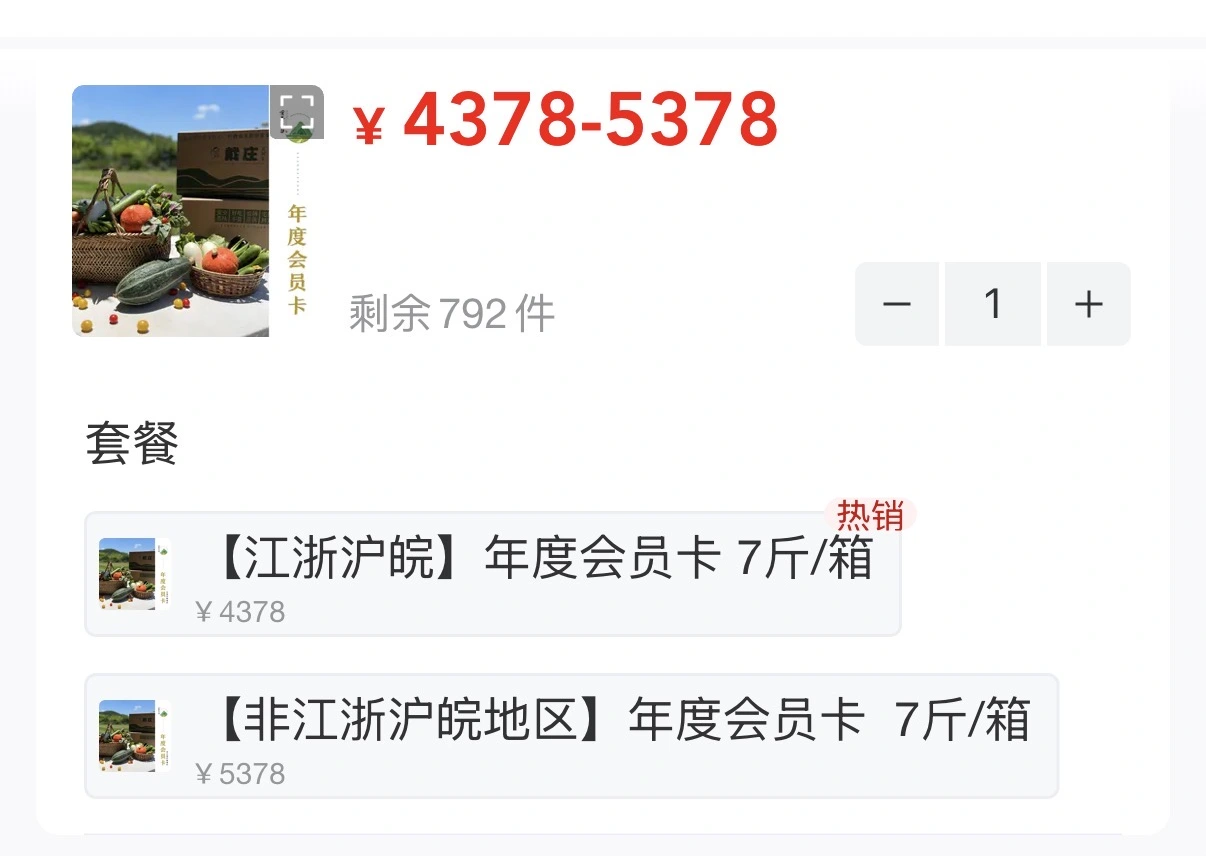
戴庄Daizhuang
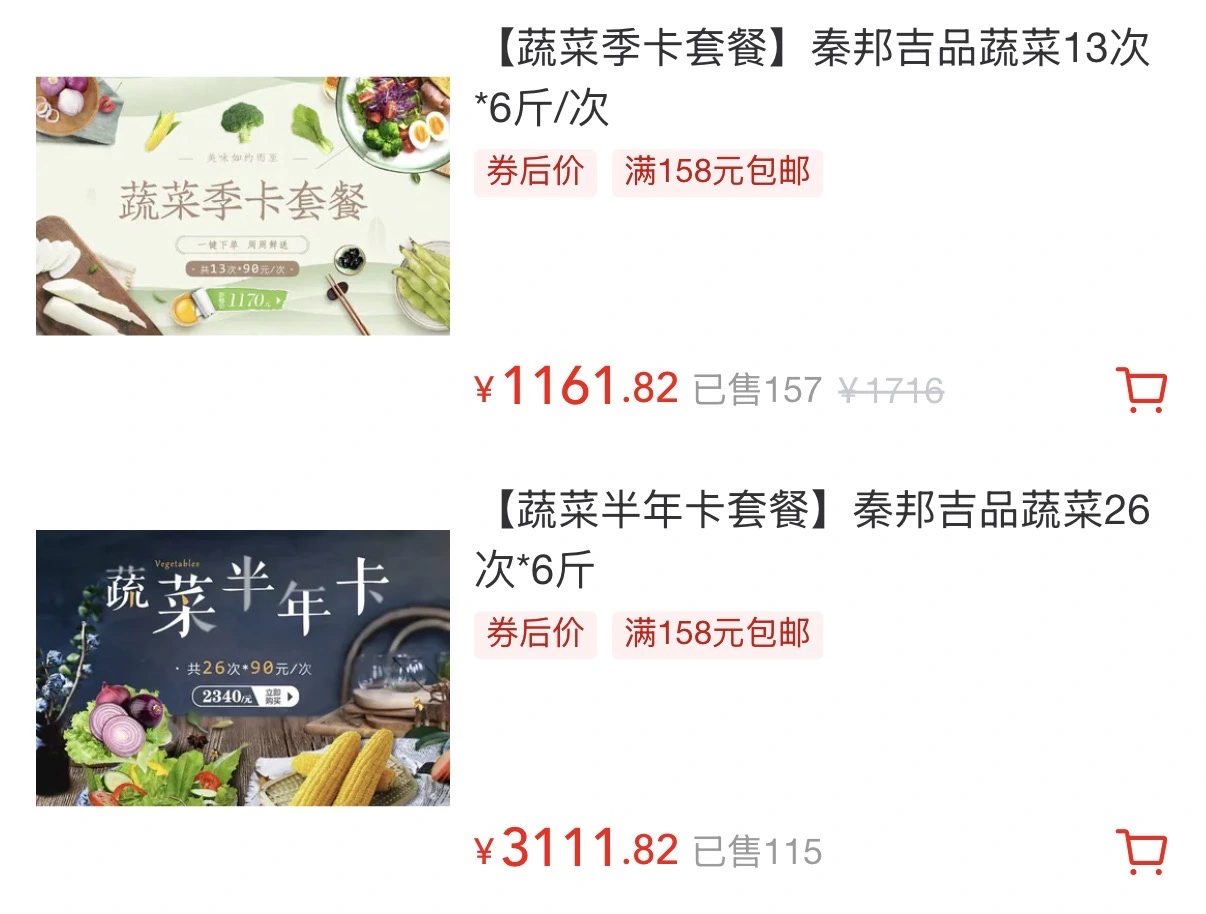
秦邦Qinbang
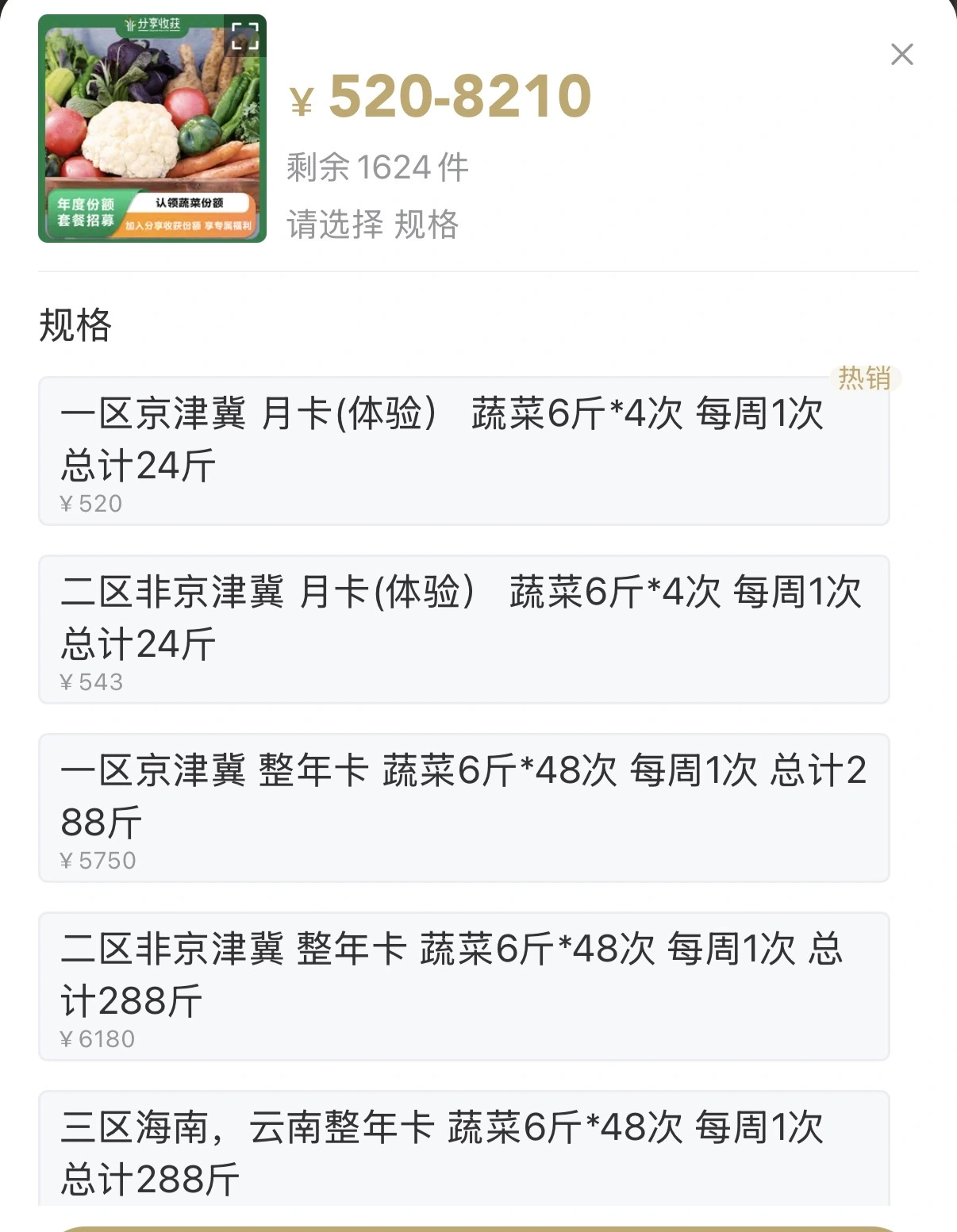
分享收获Shared Harvest
四、可借鉴亮点 (营销传播层面)IV. Practices to draw on — marketing communications
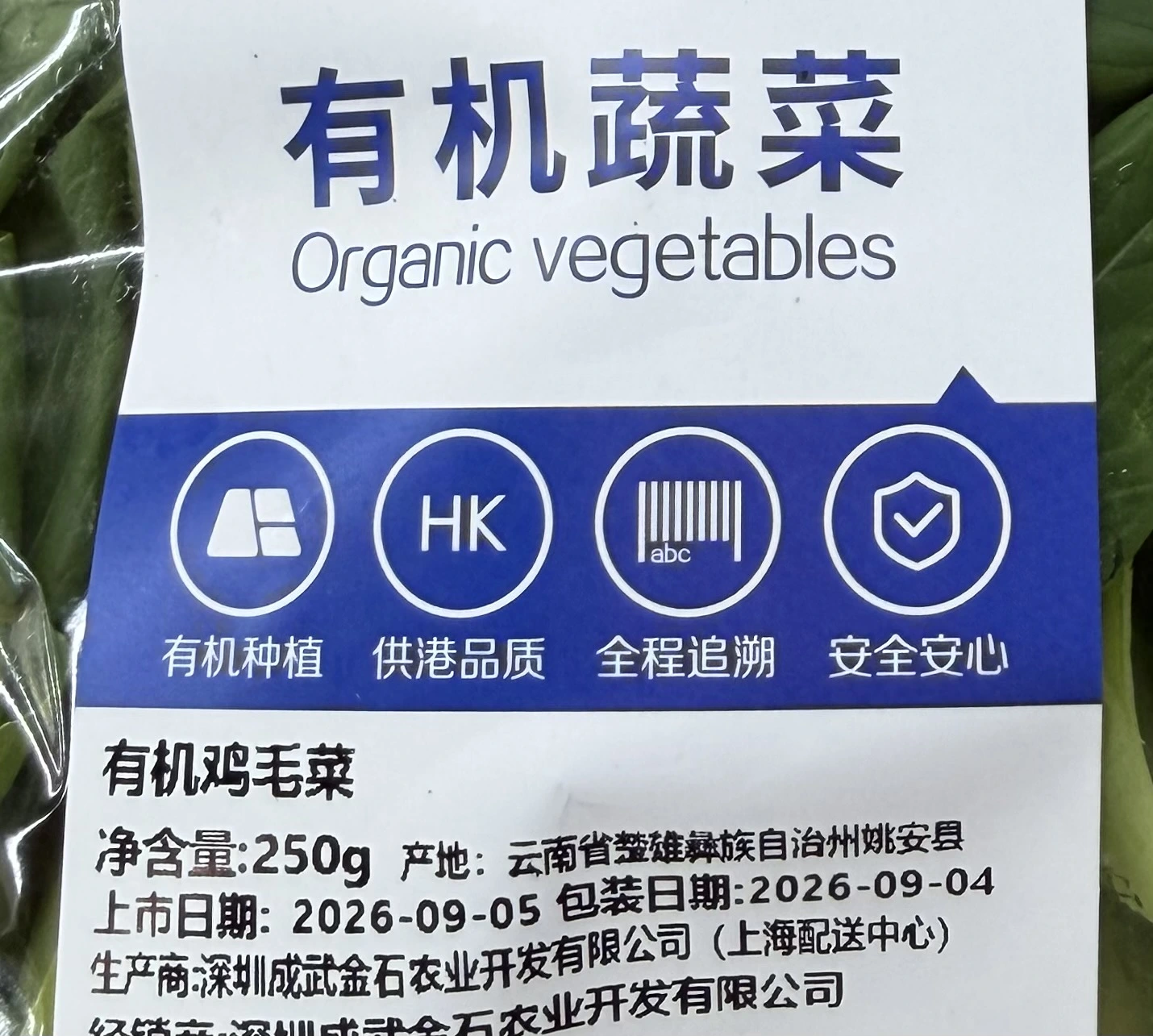
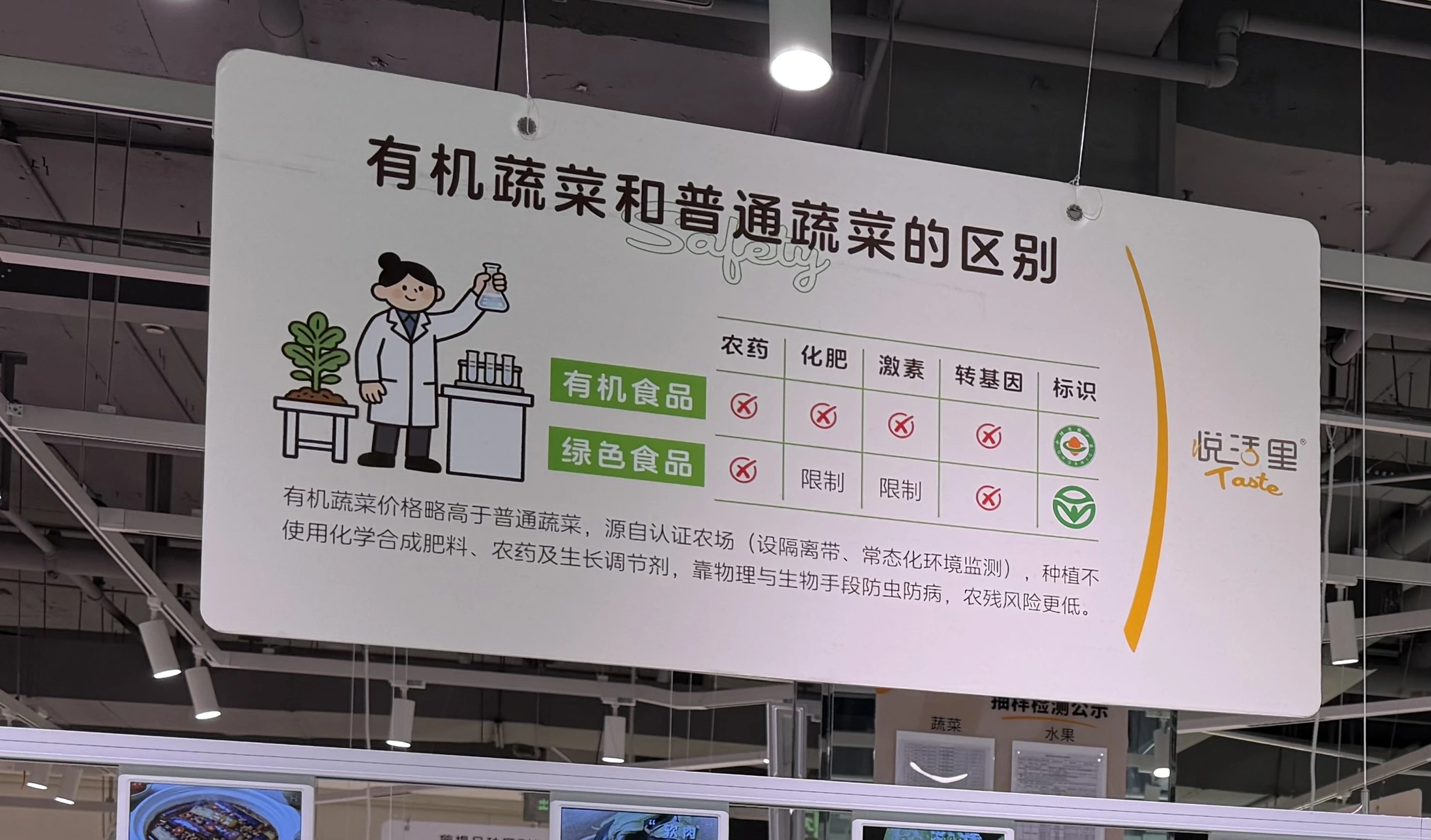
1. 有机、境外专供、进口等关键词仍是普遍认知1. Organic, produced for overseas markets and imported remain widely recognised terms.
市面上超市的宣传口径仍集中于有机等传统关键词。Supermarket messaging still centres on familiar terms such as organic.
若以生态蔬菜等更高标准做宣传(生态农场为什么优于有机?)If promoting ecological vegetables to a higher standard (why is an ecological farm better than an organic one?)
前期需做更充足详细的介绍,如视频号普及、直播间访谈、详情页补充等。Provide more detailed explanations early on, for example educational videos, interviews in livestreams and additional information on product pages.
2. 产品说明页实现生产-运输-消费闭环2. Product pages cover production, transport and consumption.
开通线上渠道的如盒马/ 分享收获农场,在详情页完成了从产地到运输到如何烹饪食用的说明(图文并茂),形成一个消费的闭环。使客户更加放心,也为消费者创造生活场景和需求。Online sellers such as Hema and Shared Harvest explain production, transport and cooking on illustrated product pages, covering the whole purchase-to-use cycle. This reassures customers and helps them see how the food could fit into daily life.
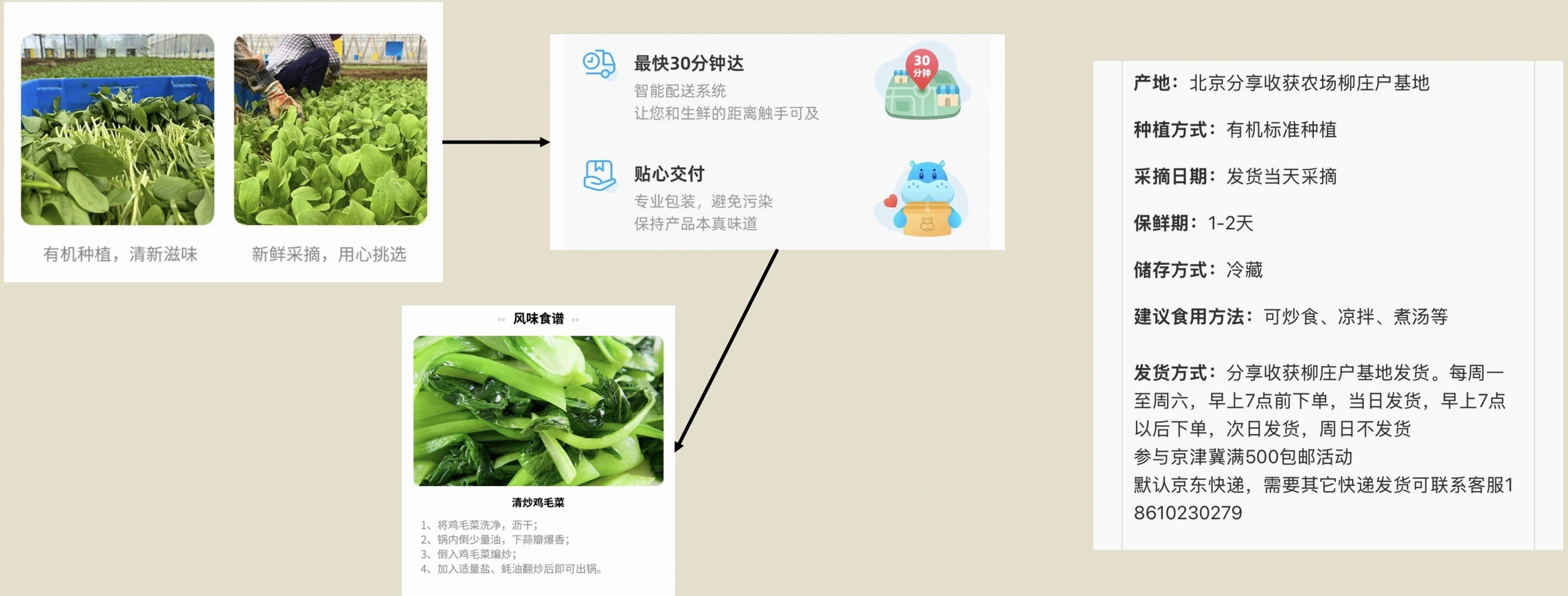
3. 产品说明页细节深入、不泛泛而谈3. Go into detail on product pages and avoid generalities.
区别于盒马、山姆等大型连锁超市可以堆砌关键词作为营销,小众精品农产品需注重产品介绍的细节,来营造品牌氛围和形象。Large chains such as Hema and Sam’s Club can market through a string of keywords. Niche premium produce needs detailed product descriptions to establish a distinctive brand identity.
分享收获农场:会介绍生产者、生产过程、所有农人的介绍等,更加真实的细节能拉近与消费者的距离、提升可信度、打造品牌形象。Shared Harvest introduces the producers, production process and individual farmers. Specific details bring customers closer, build trust and shape the brand.
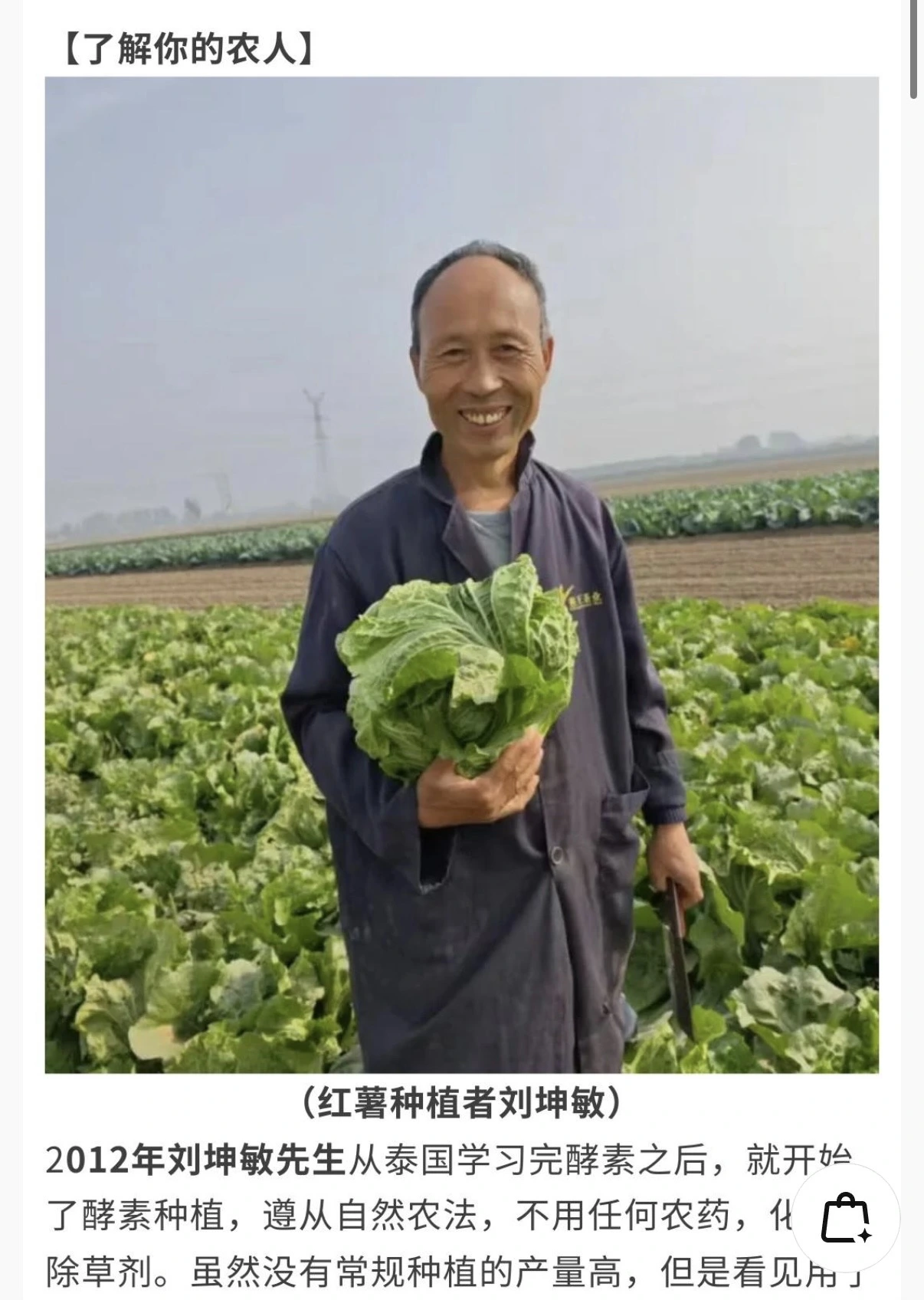
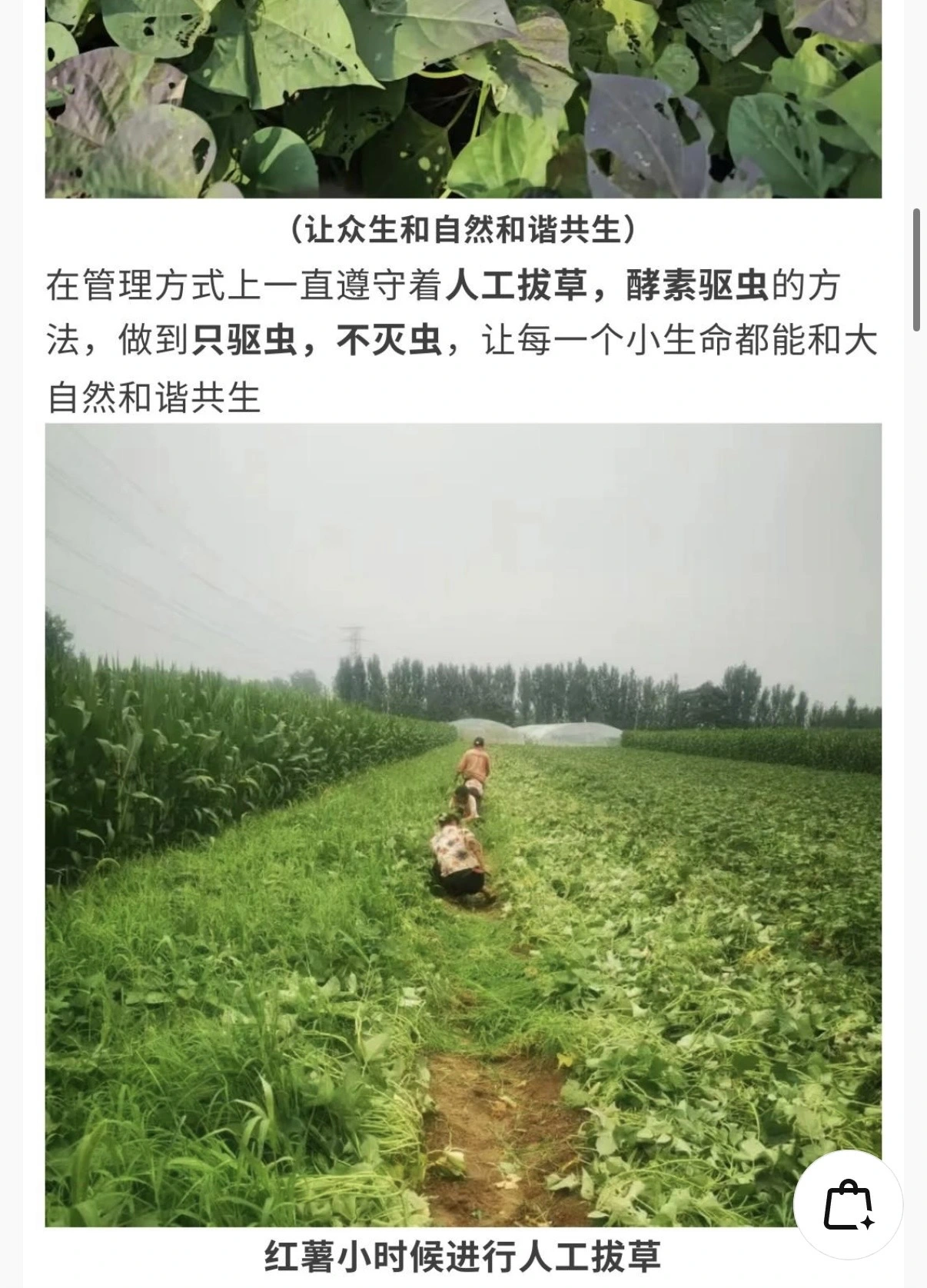
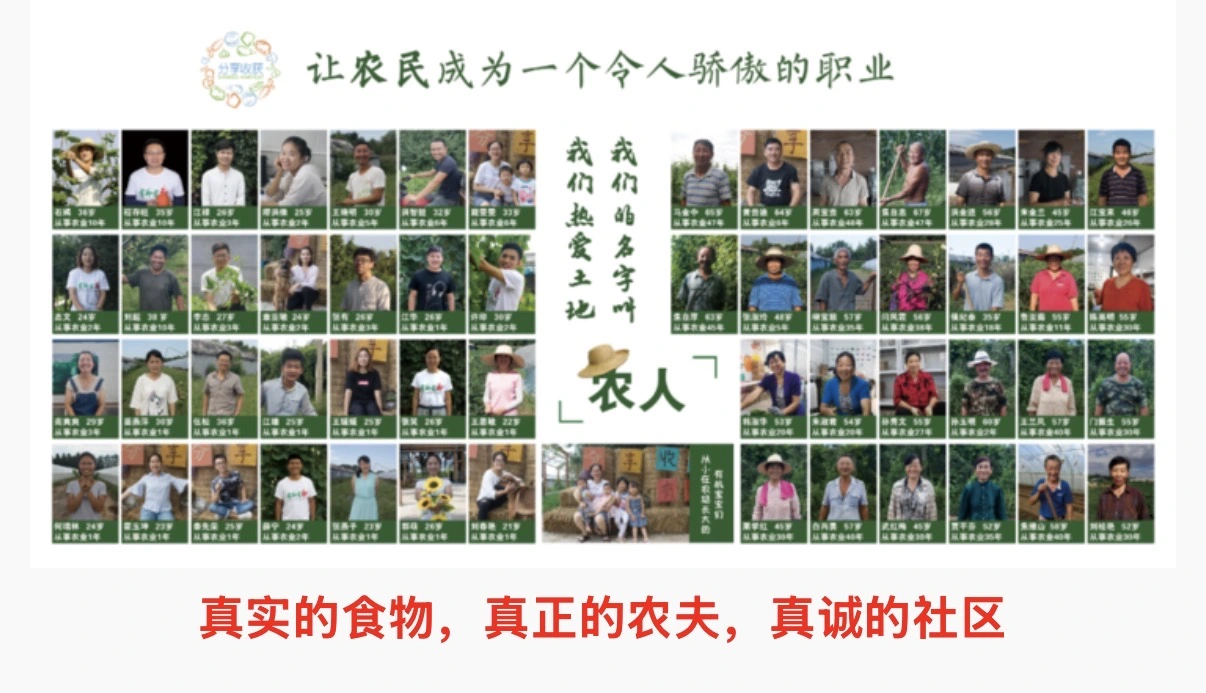
4. 讲故事:打造品牌形象/ 个人IP4. Use storytelling to build a brand or personal identity.
营造品牌氛围和形象Establish the brand’s identity and atmosphere.
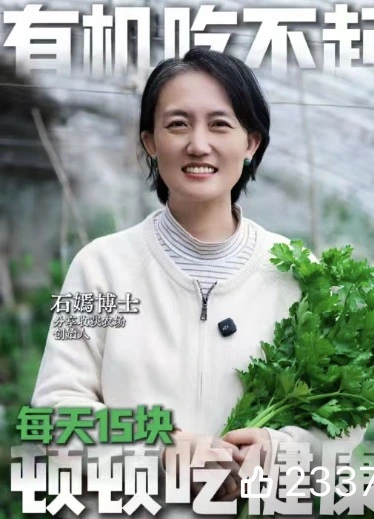
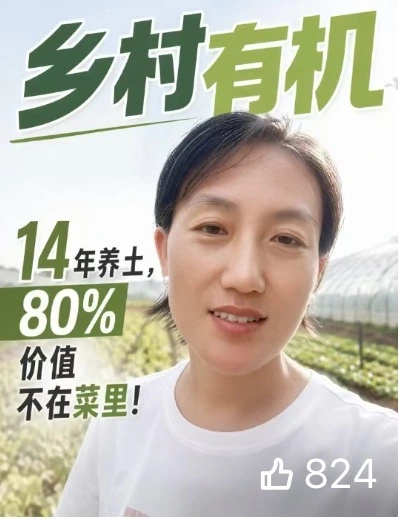
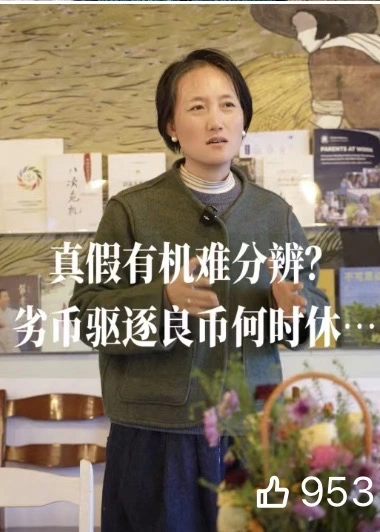
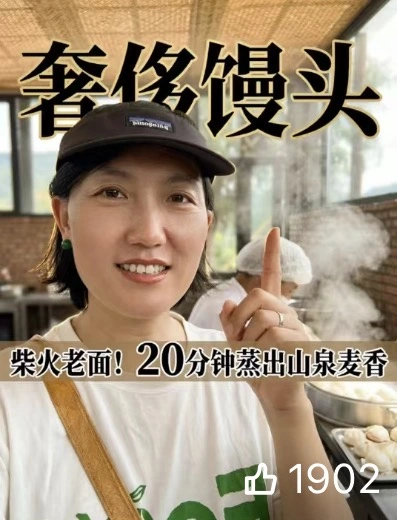
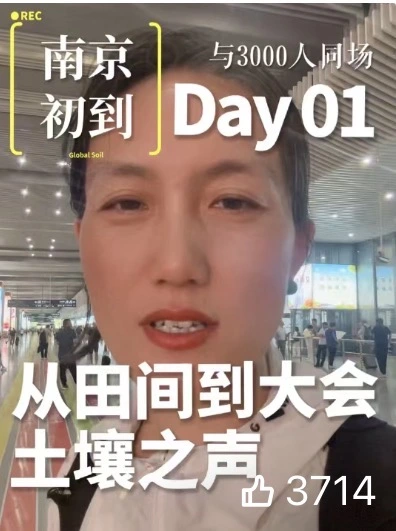
分享收获在自媒体打造了清华博士后(石嫣个人IP)回村种地的故事,围绕社区共享打造生活方式及生活理念(食在当季、食在当地)。Shared Harvest’s social media tells the story of Shi Yan, a Tsinghua postdoctoral researcher who returned to farming. It builds a lifestyle around community sharing: eat locally and in season.
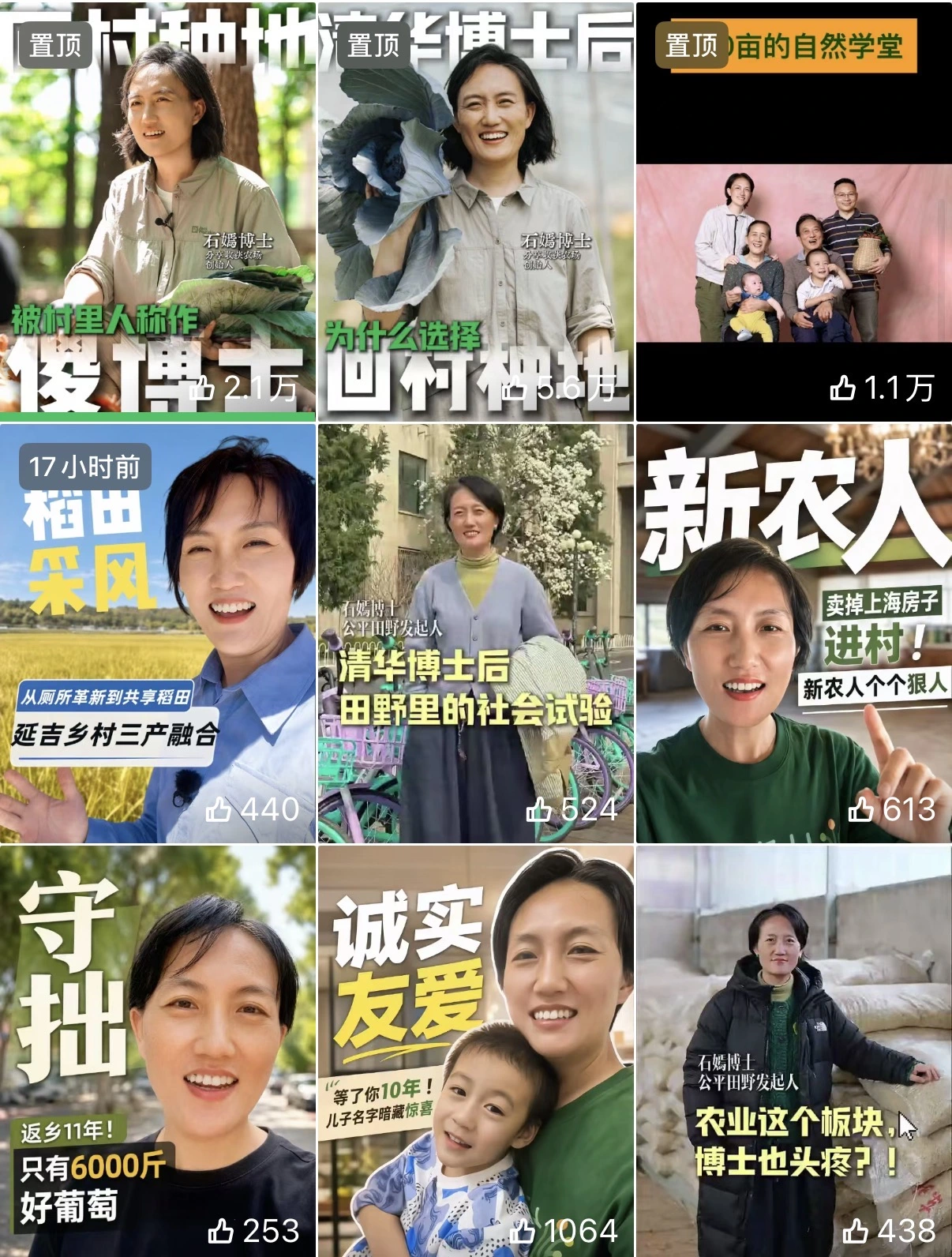
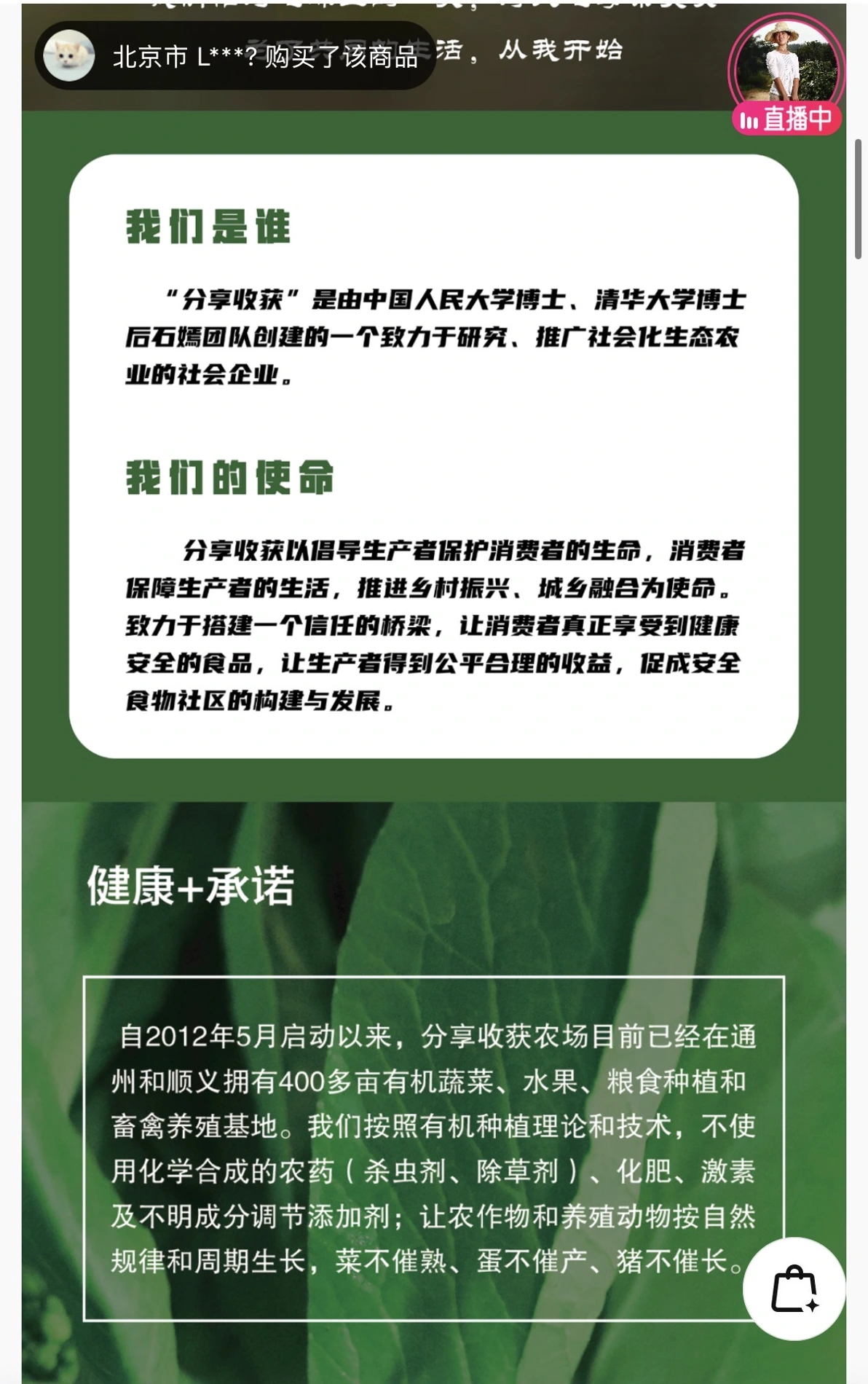
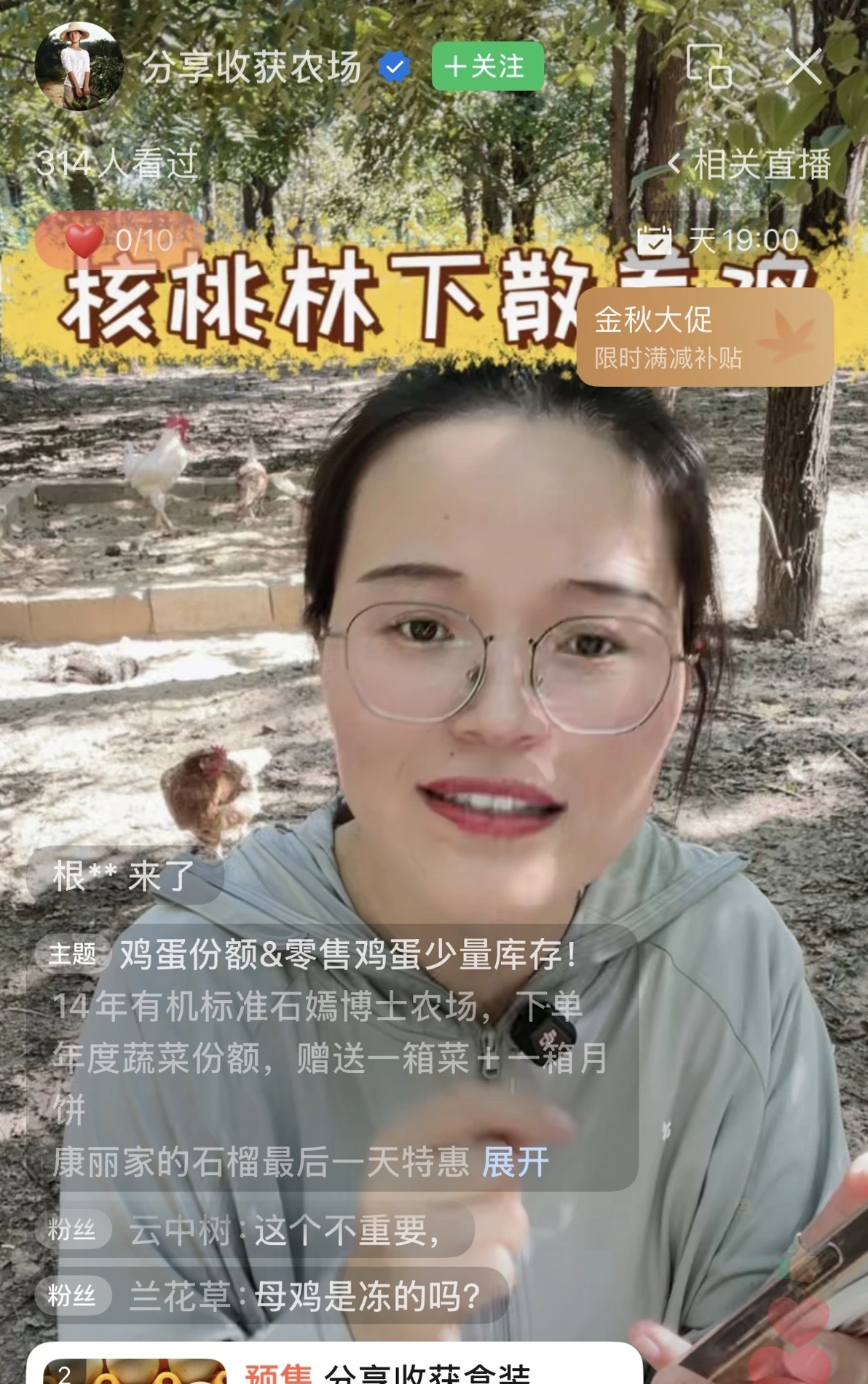
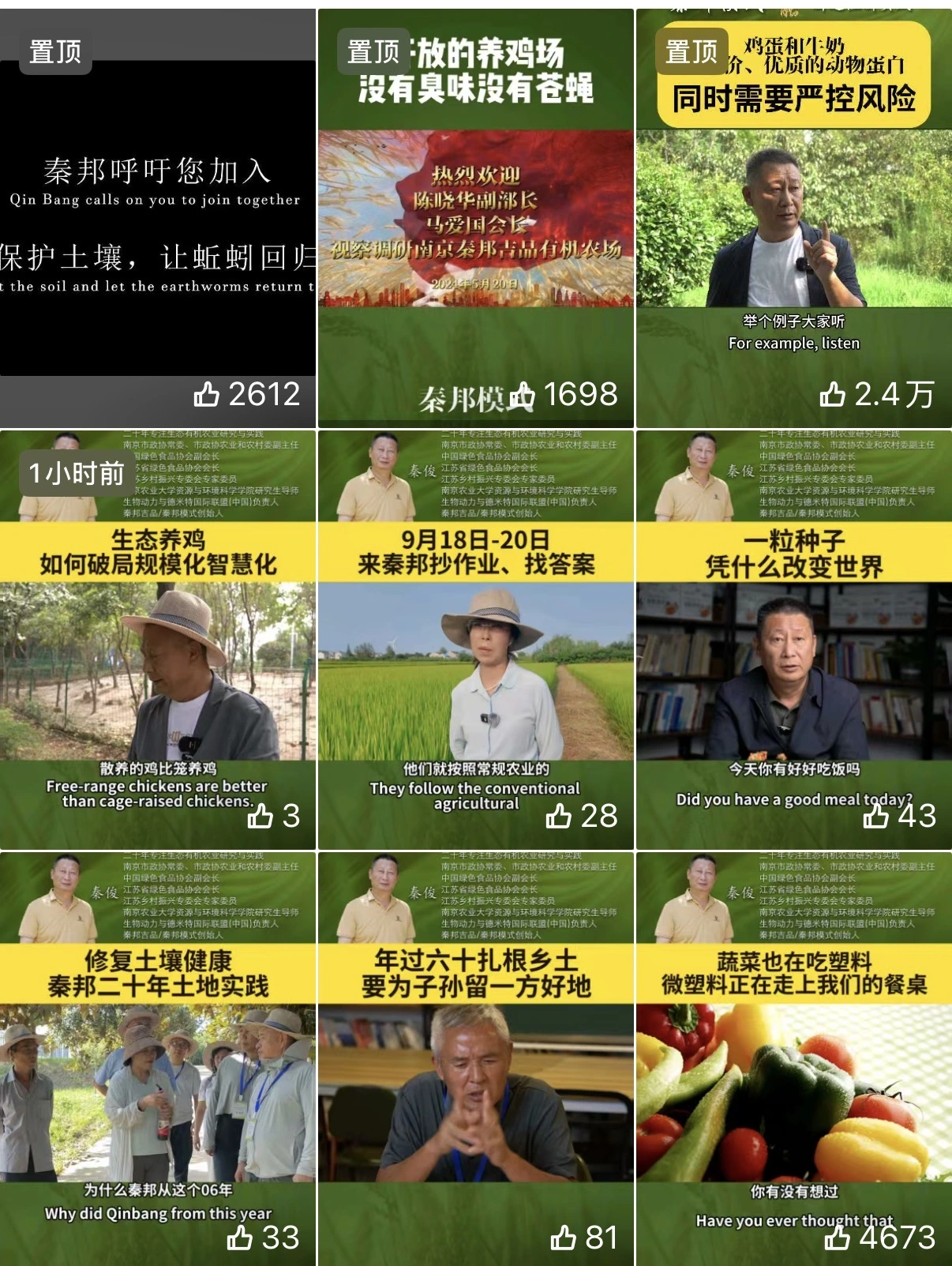
所有的视频、直播、个人形象、生活方式介绍、产品细节等,都是为了营造一个完整的故事线,去吸引认同理念的客户,并精准定位品牌形象。Videos, livestreams, individual profiles, lifestyle descriptions and product details together form a continuous story. This attracts customers who share the values and defines the brand’s position precisely.
5. 日常分享取代广告宣传5. Replace advertising with everyday updates.
营销广告不狂轰滥炸,以更加日常的方式呈现,如当季食谱推荐、农场动态更新、农场小故事、农场日常拍摄/ 直播、个人日常记录等,可参考石嫣自媒体账号。Avoid a barrage of advertising. Share seasonal recipes, farm updates, short farm stories, everyday farm footage or livestreams and personal diaries. Shi Yan’s social accounts provide an example.

五、对仁恒甄选的启发V. Implications for Yanlord’s curated range
1. 产品选择1. Product selection
基础健康改善产品:戴庄生态蔬菜+越光米Everyday choices for healthier eating: Daizhuang ecological vegetables and Koshihikari rice
小众精品:秦邦禽类鸡蛋Premium niche products: Qinbang poultry eggs
形成产品梯度和差异Create a differentiated range at several price levels.
单品类售卖,达成规模后再考虑与农场合作开启月/ 季/ 年度订阅制蔬菜箱Start with individual product lines. Once volumes are sufficient, consider working with farms on monthly, quarterly or annual vegetable-box subscriptions.
2. 销售渠道2. Sales channels
线上:仁恒甄选小程序为主要购买窗口+管家推送+直播间/ 短视频引流Online: the Yanlord mini-programme as the main ordering channel, supported by property-service messages, livestreams and short videos.
线下:个别小区入口处短期试点摆摊+仁恒线下商品展示引流+地推送产品试吃Offline: short pilots with stalls at selected community entrances, displays at Yanlord locations and samples distributed in person.
3. 宣传方式3. Promotion
线上:产品详情介绍+管家推送+直播间(产品介绍/ 邀请农人)+短视频(业主访谈系列/ 业务系列/ 日常系列:走近田间地头)Online: product details, property-service messages, livestreams (product introductions and farmer guests), and short videos (resident interviews, business features and everyday visits to the fields).
线下:小区内海报张贴+试吃+摆摊Offline: community posters, tastings and stalls
形成矩阵营销,达成全方位触达业主Coordinate channels to reach residents across different settings.
4. 营销内容4. Marketing content
业务线:专业角度讲解生态蔬菜、鸡蛋等产品的健康益处等Business strand: explain professionally the health benefits of ecological vegetables, eggs and other products.
日常线:突出仁恒物业,如何下田精心挑选、农场日常等,营造认真专业的品牌形象、增强业主对农场的了解Everyday strand: show Yanlord property staff selecting produce in the fields and daily life on the farm. Convey a careful, professional approach and help residents understand the farms.
访谈线:打造老板/ 农人 个人IP,突出个人故事感和吸引人的经历Interview strand: build profiles of owners and farmers around personal stories and engaging experiences.
六、风险VI. Risks
1. 产地集中1. Concentration of supply
盒马、山姆等超市全国直供产品,可有效规避单一产地自然灾害、虫害等不可抗力因素造成的断供。National sourcing allows retailers such as Hema and Sam’s Club to reduce the risk of supply interruptions from natural disasters or pests at any one origin.
若只依靠特定一两个产地供应,风险对抗能力不足。(且戴庄等自身产能本就过低)订阅制蔬菜箱断供易造成业主投诉维权、信任度丧失。Depending on just one or two sources offers little protection, especially given the limited capacity of farms such as Daizhuang. Interrupted vegetable-box subscriptions can lead to complaints, claims and loss of trust.
需提前说明风险。Explain the risks in advance.
2. 产品介绍文字密集2. Text-heavy product descriptions
用户缺乏浏览大量文字内容的耐心,尽可能使用图片等可视化工具。Customers have little patience for long passages of text. Use images and other visual tools where possible.
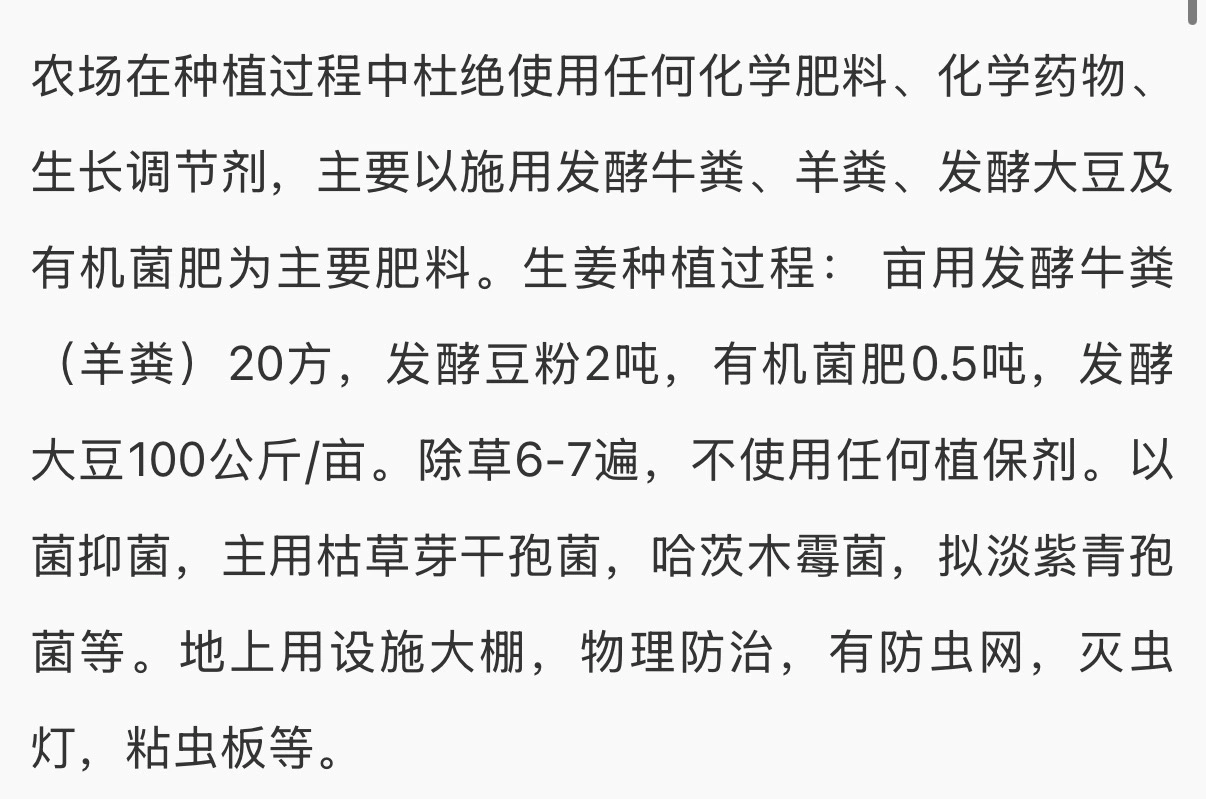
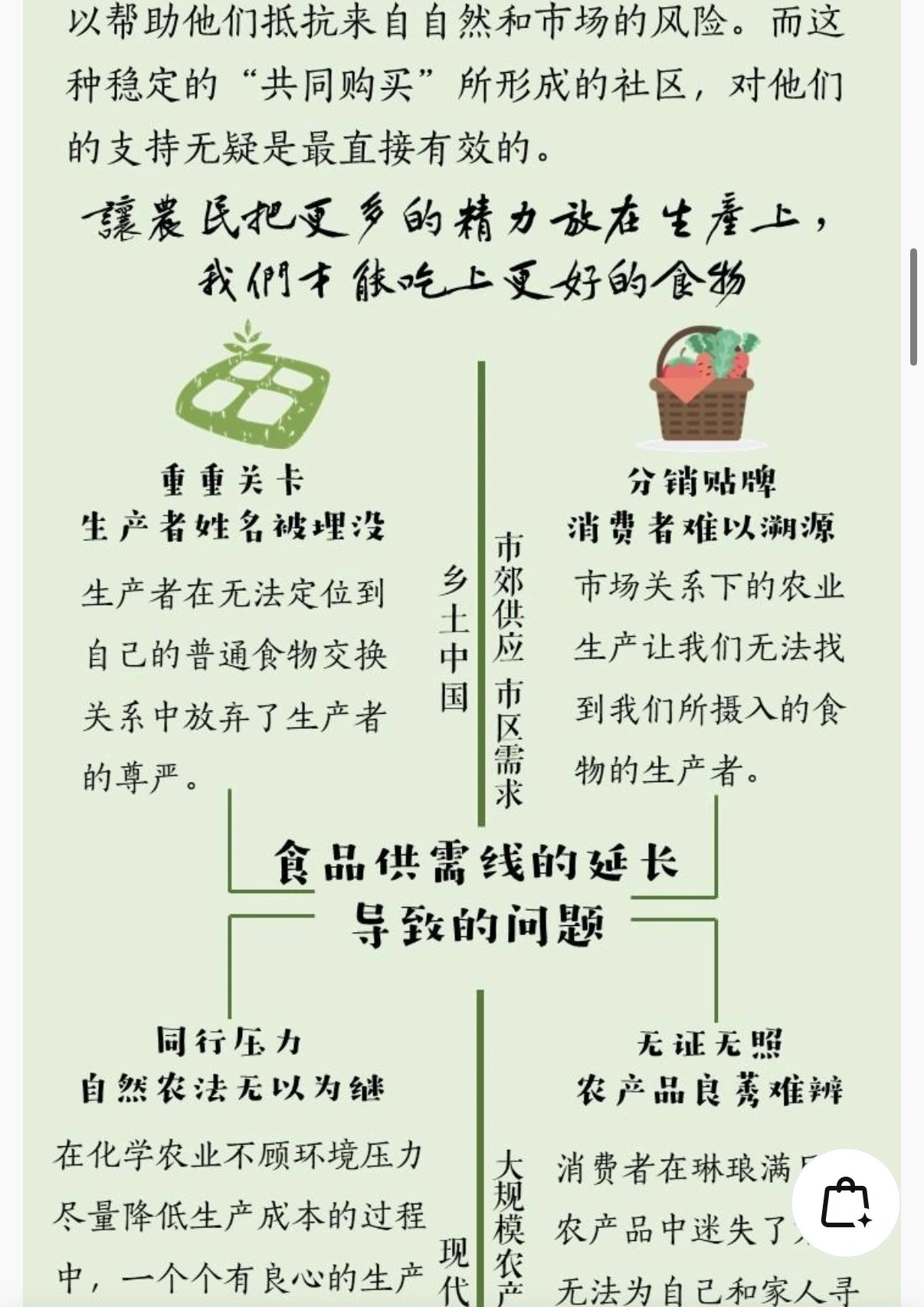
分享收获农场产品页的大段文字Long passages on a Shared Harvest Farm product page
3. 单价过高3. High unit price
虽面向中高端和改善型客户群体,但生态农场的农产品平均价格是普通超市的2-3倍,业主是否愿意为“健康生态”的差异化优势付如此高的溢价有待验证。Even for middle- to high-end and upgrading households, ecological farm produce costs on average two to three times the supermarket equivalent. Whether residents will pay such a premium for the perceived health and ecological advantages remains to be tested.